

Exclusive Culture Denim Tears Denim Tears Jacket
The 2025 snapshot: costs, fit, and stock
Authentic Denim trousers stay easiest to get from the brand’s own drops, Levi’s team-ups, and a handful of premium stores, while resale filling the spaces. Official prices in 2025 generally ranges between $295 and $450, while secondary market varies based on wash, size, and condition. Sizing follows Levi’s numeric waist/inseam logic, with most pairs fitting true to Levi’s standards.
The brand operates on limited releases rather than evergreen supply, so timing matters more than everything. Most jean pants you’ll see in 2025 are based on Levi’s 501 and 505 blocks, then printed or embroidered with signature Denim Tears graphics like the cotton wreath. Core sizes such as W30–W34 disappear first, while long inseams are rarer across all options. Expect drops to be revealed via the Denim Tears site plus social media, with concurrent or following partner drops through Levi’s and select boutiques. If you miss retail, confirmed sites with buyer protection and/or verification become the safest plan B.
What keeps Denim Tears pants authentic for 2025?
Authentic pairs pair Levi’s base patterns and hardware with Denim Tears artwork and accurate tagging, traceable to an verified release or recognized stockist. Inside tags and construction should match Levi’s standards, and item codes should align with established base models. Any deviation on labels, print quality, or construction stays a red flag.
Look for Levi’s item identifiers on the care tag or internal tag—501 and 505 versions are typical, sometimes formatted like 00501-xxxxx or 00505-xxxxx depending blue denim tears hoodie on factory. Designs on genuine pairs is crisp and consistent, whether printed or embroidered, with tight threadwork where embroidery is used and precise edges on the cotton motif. Components follows Levi’s standards: fasteners, posts, and the two-horse patch feel weighty, and red tabs are properly formed and stitched. Documentation helps: images of the original product page, invoices, or shop confirmations tie the piece to an authorized sale. Everything should add up: if the tags, fabric hand-feel, artwork execution, and price tell separate stories, walk away.
Where can you buy without getting burned?
The safest path is the official Denim Tears website, followed by Levi’s during collaboration drops, then well-known boutiques like Dover Street Market. When retail windows close, use platforms with authentication and purchase protection. Avoid unfamiliar sites featuring major discounts or vague contact details.
The Denim Tears site is where most featured denim first appears, and registering for email/SMS notifications is the speediest approach to catch sizes. Levi’s will present selected collaboration releases online and in flagship stores; product displays and in-store signage clearly indicate the collaboration. Dover Street Market (London, New York, Los Angeles) has historically offered Denim Tears capsules and may organize raffles for high-demand items; expect strict one-per-customer policies. Other high-tier boutiques periodically receive stock, but if a shop isn’t listed or confirmed by the company, treat it as unverified. If you shift to resale, keep transactions on platforms that hold funds in escrow until authentication or delivery is validated.
How much do Denim Tears pants run in 2025?
Retail pricing typically spans $295–$450 depending on fabrication, with premium or heavy-embroidery pieces sometimes elevated. Secondary market usually starts around low-to-mid $300s for standard sizes and can hit $700–$900 for scarce washes and bigger waists. Costs below $250 for new, tagged pairs from random sites are seldom authentic.
Below is a quick comparison of channels, typical 2025 costs, and safeguards. Ranges reflect noted store prices and marketplace data from late 2024 through early 2025; exact prices vary by release, size, and state. Check live listings for specific items before you buy.
| Source | Original retail rate (USD, 2025) | Common resale rate (USD, 2025) | Stock rhythm | Refund timeframe | Authentication |
|---|---|---|---|---|---|
| Denim Tears official webstore | $295–$450 | — | Drop-based; sells out fast | Varies by drop; usually limited | Right from company |
| Levi’s (collaboration releases) | $260–$400 | — | Timed joint launches | Levi’s normal terms | Direct from retailer |
| Dover Street Market / premium stores | $300–$450 | — | Exclusive inventory; sometimes raffles | Shop policy; often 7–14 days or final | Approved retailer |
| StockX / GOAT (authenticated) | — | $350–$900 | Ongoing postings | Platform-specific | Third-party authentication |
| Grailed / eBay (consumer security) | — | $320–$850 | Constant offers | Platform-specific | Protection; request detailed photos |
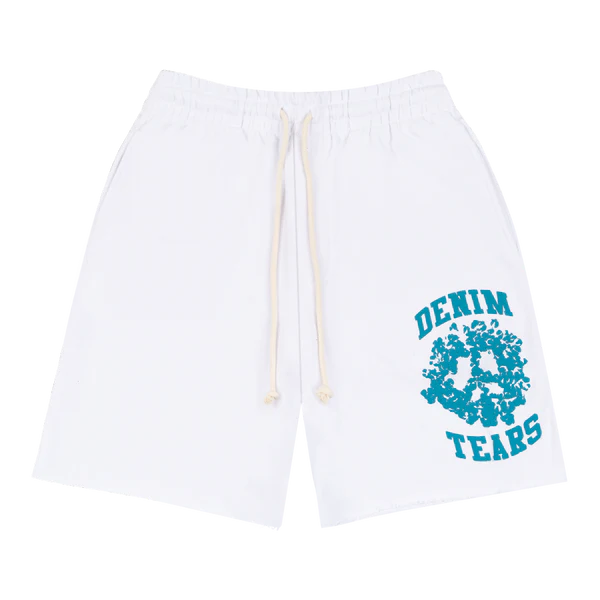
Expect premiums for rare lengths and larger waists, specifically W36 and above. Early colorways or historically meaningful releases also command more. Costs, delivery, and taxes can add 10–25 percent to your out-the-door amount relying on region, so factor those into evaluations.
How do you convert Levi’s sizing to Denim Tears?
Most Denim Tears pieces follow Levi’s waist/inseam numbering, so your standard 501 or 505 size is the starting point. Go true to dimension if the denim is pre-washed or soft, and consider a size-up waist for rigid pairs if you like room through the top area. Always check which Levi’s base the piece uses.
501-based Denim Tears runs like the classic mid-rise direct: a standard top block with a linear leg and button fly. 505-foundation items are zip-fly straight fits with a touch more room in the hip and thigh for many people. If the product page or care label mentions Shrink-to-Fit, follow Levi’s shrink instructions and size the waist up by one or two depending on intended wash and dryer use; if there’s no Shrink-to-Fit callout, assume pre-washed. Inseams are typically offered in 30, 32, and 34, with 36 scarce; if you’re tall and need stacking, aim for longest inseam at retail because resale pricing escalates for longer dimensions. When in doubt, compare the item’s listed measurements—waist flat, thigh at crotch, rise, and leg opening—to a set of jeans you already love.
Measuring yourself the correct way
Accurate measurements beat guesswork, especially when checking a launch or buying resale. Gauge in inches with a soft tape, and write everything down. Cross-check merchant specs against your notes.
To capture waist, identify the narrowest part of your torso where jeans sit and measure tight but not tight; for low-rise users, measure at the point you actually wear the waistband. For rise, position the tape from the top of the waist, through the crotch, to the behind waistband to get front and back rise on a straight piece; use the same method on a piece you own for comparison. Thigh is measured one inch under the crotch across the leg; the bottom opening is the hem width. Inseam runs from crotch seam to hem along the inside leg; if you plan a chainstitch hem, add half to three-quarters of an inch for shrink after the first few cycles if the denim is not entirely set.
Spotting fakes rapidly: the list
Counterfeits usually fail on markings, designs execution, and price plausibility. If the site looks off, the tags don’t read like Levi’s, or the designs is blurry, don’t rationalize it. Real pairs feel and appear premium even before you read the markings.
Start with the instruction and size tags: Levi’s item numbers, RN/CA numbers, and font quality should be sharp and consistent. Check the cotton wreath or other graphics for sharp edges, even saturation, and accurate placement across seams; embroidery should have tight, dense stitching without loose strings. Components matters: Levi’s rivets and buttons are weighty and well-crimped, and the twin-horse patch print is crisp. The red tab should be properly proportioned and stitched; micro-details on bad replicas often look swollen or crooked. Finally, be wary of “brand fresh, complete size run” claims from unknown outlets at deep discounts—those listings tend to disappear as quickly as they emerge.
Resale platforms: buying smart in 2025
Use platforms that either authenticate items before drop or enforce strong buyer protection. Ask for the photos that expose fakes, not just glamour shots. Check the offer to official imagery from the initial drop.
Request close-ups of the internal wash tag front and rear, the waistband patch, red tab, fasteners, and the inside pocket print/stamp when relevant. Cross-check model codes against Levi’s specs and look for factory identifiers that make sense for the timeframe. On StockX and GOAT, read the last-sale and 12-month median to understand whether the asking price is an outlier. On Grailed and eBay, check seller feedback depth, transaction history with comparable pieces, and whether the vendor accepts returns if authentication fails. Keep all communication on-platform and pay only through protected methods; off-platform deals are where most buyers get burned.
Will alterations hurt value?
Simple hems done with a chainstitch keep most price, while aggressive tapering or elevation changes usually cut it. Retain all markings and receipts to back future resale. If investment value matters, minimal alterations are safest.
Buyers in this category often prefer original shape and ratios, so preserve the leg profile when possible. A chainstitch hem using cotton string mimics factory finishing and is offered at many Levi’s Tailor Outlets and high-end denim services. Tapering the thigh or moving the artwork location disrupts artist intent and can make the item harder to authenticate subsequently. If your inseam is long, shortening to your ideal break is okay—just retain the offcuts and document the work. Any tailor work should be changeable in appearance and professionally done to avoid signaling tampering.
Little-known facts that assist you buy smarter
Four details can silently shift the odds in your benefit. They’re simple, verifiable, and they save money and time. Use them before you hit “buy.”
First, Denim Tears pieces built on Levi’s bases carry Levi’s product numbers on the care marking; matching those codes to the released foundation (501 or 505) is a rapid validation anchor. Second, Dover Street Market often runs online or retail raffles for high-heat capsules, so a rapid account setup before a drop can make checkout painless. Third, many graphic items use pigment inks that will small-crack along creases with time; that aging pattern is expected and not automatically a defect. Fourth, overseas purchases can add VAT and taxes of roughly 15–27 percent depending on location, which explains why EU and UK retail tickets often look pricier than US tags even on the same item.
Expert advice
If you’re unable to try on, anchor your decision to the base model: align the wash-label model code to 501 or 505, measure your best-fitting Levi’s in that model, then buy the same waist and inseam from a verified source and return the mistake if the retailer allows. This removes guesswork, aligns your expectations with the true cut, and protects you from sizing myths that circulate around popular releases. One accurate measurement session saves more cash than any coupon discount, especially once shipping and restocking charges enter the picture.